Introduction
In today's health care landscape, the capacity to appropriately take care of and sustain patients with dysphagia is crucial. Dysphagia, or difficulty swallowing, can bring about extreme problems, consisting of poor nutrition, dehydration, and ambition pneumonia. As such, the importance of specialized training for care staff can not be overemphasized. This post intends to discover various dysphagia support techniques and the essential takeaways from recent training programs made for medical care professionals.
Dysphagia Training for Carers
Understanding Dysphagia
Dysphagia is not just a condition; it's an intricate issue requiring a nuanced understanding. Caregivers have to grasp its ramifications on a client's lifestyle. In many cases, dysphagia impacts senior citizens or individuals with neurological problems. As a result, caregivers should be trained to determine indicators of swallowing troubles early on.
Importance of Recognizing Symptoms
Recognizing symptoms early can make all the distinction in person results. Signs might consist of coughing while eating, modifications in voice quality after swallowing, or food sticking in the throat. With correct training in dysphagia care training courses, carers can become proficient at detecting these issues.
Practical Training Techniques
Training programs commonly utilize simulation workouts where carers practice feeding methods and discover exactly how to respond effectively throughout choking cases. This hands-on strategy makes certain that they're prepared when real-life scenarios arise.
Dysphagia Training for Care Staff
Comprehensive Assessment Skills
Care staff require extensive abilities to assess dysphagia precisely. This consists of comprehending different types of dysphagia-- esophageal vs. oropharyngeal-- and knowing just how each type affects treatment plans.
Collaborative Care
Collaboration amongst multidisciplinary teams-- including speech-language pathologists and dietitians-- is crucial. Staff trained in dysphagia support strategies are better outfitted to participate actively in these discussions.
Implementing Nutritional Modifications
A considerable part of handling dysphagia includes dietary adjustments. Treatment staff have to be learnt changing food textures and making certain that meals satisfy private person requirements without endangering safety.
Dysphagia Care Training
Developing Patient-Centric Approaches
Patient-centered care is necessary when handling dysphagic patients. This implies not only taking into consideration nutritional requirements however likewise psychological supports such as social interaction during meals.
Emotional & & Mental Impact
Patients with dysphagia usually experience frustration and embarrassment throughout nourishments. Training must consist of ways to connect properly and compassionately with individuals to reduce their anxiety concerning eating.
Ongoing Education
Dysphagia care training is not an one-time occasion; constant education and learning aids keep team updated on best techniques and arising research study in the field.
Dysphagia Training Course Overview
Course Framework & & Content
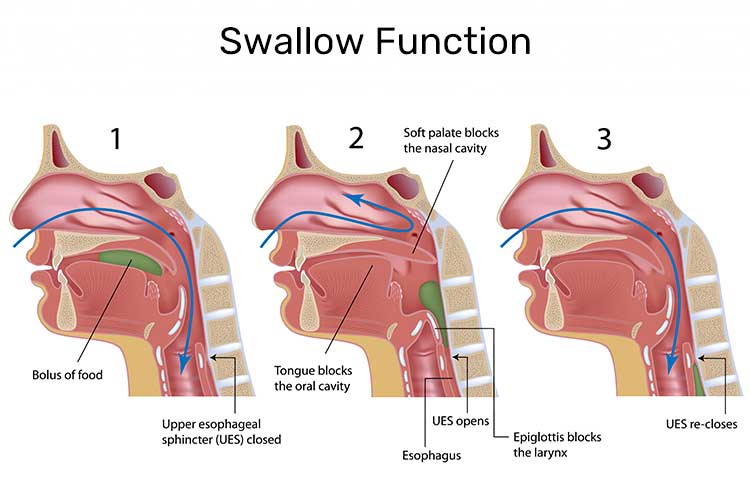
Most dysphagia training courses cover a number of topics varying from composition and physiology pertaining to ingesting to sensible interventions that care personnel can utilize daily.
| Course Component| Description|| ----------------------|-----------------|| Anatomy & & Physiology|Comprehending the auto mechanics involved in ingesting|| Evaluation Techniques|Understanding just how to evaluate ingesting capacities|| Dietary Considerations|Tailoring meal plans based upon analysis results|| Emergency Methods|Actions to take in case of choking cases|
Duration & & Certification
Many courses differ in size from one-day workshops to thorough week-long workshops resulting in qualification upon completion.
nurses' guide to dysphagia trainingDysphagia Training for Nurses
Role of Registered nurses in Dysphagia Management
Nurses play an integral function in managing clients with dysphagia, frequently being the very first line of protection when signs develop. Their capability to acknowledge signs and symptoms and launch suitable interventions can significantly impact patient outcomes.
Medication Management Challenges
Administering medicine by means of oral paths can be specifically testing for individuals with ingesting troubles. Training assists nurses recognize alternative techniques such as crushing tablet computers (if secure) or making use of liquid formulations whenever possible.
Patient Education Strategies
Equipping nurses with efficient communication techniques is vital for informing patients regarding their conditions and essential dietary restrictions.

Key Dysphagia Support Techniques: Secret Takeaways from Recent Training Courses
Recent training courses have revealed numerous key approaches that are necessary for efficient dysphagia monitoring:

These takeaways emphasize a multidimensional strategy necessary for successful dysphagic client management.
Effective Communication Techniques
Building Relationship with Patients
Establishing trust fund is essential when dealing with individuals experiencing problems while eating or drinking. Team should engage clients via compassionate interaction that cultivates an encouraging environment.
Non-Verbal Hints Matter
Non-verbal communication-- like eye get in touch with, gestures, and body language-- plays a vital duty when verbal interaction might be testing because of cognitive disability or anxiousness bordering meals.
Monitoring Progression Over Time
Documentation Practices
Care staff must preserve careful documents detailing each client's consuming practices, choices, difficulties encountered during dishes, and any incidents of choking or aspiration occurrences.
Regular Reviews
Regularly assessing progress permits healthcare providers to adjust treatment plans as required based on observed improvements or obstacles in each individual's condition.
FAQs About Dysphagia Support Strategies
What is dysphagia?- Dysphagia describes trouble swallowing which can result in prospective issues like desire pneumonia or lack of nutrition otherwise handled correctly.
- Look out for indicators such as coughing while consuming, regular throat clearing up, adjustments in voice after swallowing, or refusal of particular foods.
- Causes may include neurological conditions (like stroke), esophageal disorders, muscular tissue weak point connected with aging or conditions like ALS.
- Caregivers must undertake specialized dysphagia training courses that focus on analysis techniques, dietary modifications, emergency treatments, and empathetic communication skills.
- It's vital as it directly impacts their security while eating; adjustments ensure food textures are appropriate which lessens dangers associated with choking.
- Yes! Lots of trusted organizations offer detailed on-line dysphagia training courses tailored specifically for nursing team that can boost their understanding efficiently even remotely.
Conclusion
Managing a condition like dysphasia asks for specialized expertise and skill sets that impact just how caregivers communicate with their people each day-- an obligation no less than life-changing! By spending time right into detailed dyslexia support strategies via targeted dyslexia training programs such as those gone over below allows wellness experts not just enhance their proficiency yet eventually enhance high quality life experiences-- the objective we all strive toward within medical care settings!
With regular advancements made within academic realms focused around enhancing caretaker competence bordering this subject-- there's hope in advance! So allow's embrace discovering together!